
NPC CHAIRMAN CALLS FOR DOMESTIC FINANCING OF POPULATION PROGRAMMES AMID SHIFTING GLOBAL PRIORITIES
December 11, 2025

Admin
The Chairman of National Population Commission (NPC), Dr. Aminu Yusuf, has called on Nigerians to embrace innovative and sustainable domestic financing mechanisms to fund population and development programmes, as global donor support continues to decline.
News
The Chairman of National Population Commission (NPC), Dr. Aminu Yusuf, has called on Nigerians to embrace innovative and sustainable domestic financing mechanisms to fund population and development programmes, as global donor support continues to decline.
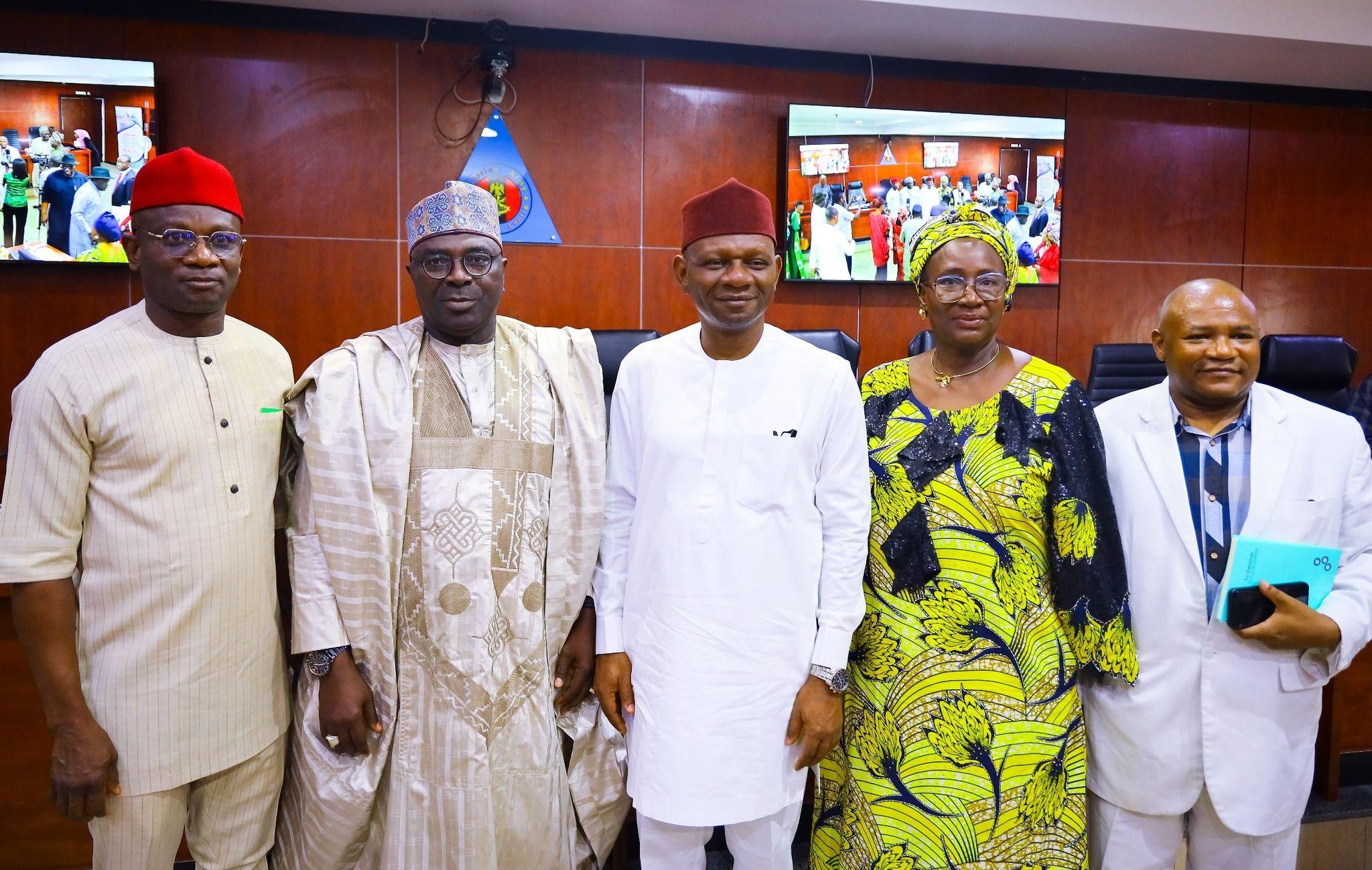
Dr. Yusuf made the appeal in his welcome address at the 13th Annual Population Lecture Series (APLS) held on 10th December 2025, at the Nigerian Army Resource Centre, Asokoro, Abuja.
The lecture organized by the NPC, brought together government officials, academics, development partners, and civil society leaders under the theme: “Emerging Global Funding Realities: Impact on Population Activities and the Need for Innovative Domestic Resource Mobilization.”
Dr. Yusuf said the theme reflects Nigeria’s urgent need to reduce dependence on international donors and pursue greater self-sufficiency in financing population and development initiatives.
“This theme is not merely an academic discourse; it is a call to action for national self-reliance,” he stated. “We must ask ourselves the hard questions—how do we fund our own future? How do we ensure that the health of our mothers, the education of our children, and the management of our census and data systems are not held hostage by external funding fluctuations?”
He acknowledged that while Nigeria has benefited significantly from international partnerships over the years, evolving global economic and political dynamics make it imperative to rethink funding strategies for key population activities such as fertility regulation, maternal health, child survival, and census operations.
According to him, the NPC remains committed to developing home-grown and sustainable financing models that will safeguard the continuity of population programmes regardless of external shocks.
Dr. Yusuf reiterated that effective population management is integral to Nigeria’s long-term development, emphasizing that “managing our population equates to managing our future.”
Delivering the keynote address on behalf of the Coordinating Minister of Health and Social Welfare, Prof. Muhammad Ali Pate, the Executive Director of the National Primary Health Care Development Agency (NPHCDA), Dr. Muyi Aina, underscored the urgency of reducing Nigeria’s dependence on foreign aid amid shifting global funding priorities.
He observed that declining donor contributions, particularly from traditional partners like the United States and the United Kingdom, pose serious threats to key programmes in reproductive health, immunization, family planning, and disease control.
Dr. Aina noted that Nigeria must take full ownership of its population and health agenda through innovative domestic resource mobilization, including public-private partnerships, expansion of health insurance coverage, improved taxation, diaspora investments, and the strategic use of technology.
While acknowledging challenges such as weak accountability systems and limited political will, he expressed confidence that ongoing reforms under the Bola Ahmed Tinubu administration, especially the Nigeria Health Sector Renewal Investment Initiative (NHSRII), are laying the foundation for fiscal sustainability.
Founder and Coordinator of the Africa Health Budget Network (AHBN), Dr. Aminu Magashi Garba, urged the new NPC Chairman to prioritise a review of the National Population Policy within his first 100 days in office. He also recommended that the NPC be listed among agencies receiving first-line charges from statutory transfers to guarantee sustainable financing of population activities.
Dr. Garba further called on NPC Federal Commissioners to engage their respective state governments to establish dedicated budget lines for population activities.
Similarly, Princess Edna Azura, National President of the National Council of Women Societies (NCWS), pledged the Council’s readiness to collaborate with the NPC and other stakeholders to promote accurate data collection, responsible population management, and gender-sensitive policy planning.
Executive Director of the Planned Parenthood Federation of Nigeria (PPFN), Dr. Okai Abubakar Haruna Aku, stressed that sustainable development can only be achieved through effective collaboration between government, development partners, civil society, and communities. He emphasised that current funding realities demand coordinated adaptation and stronger partnerships.
President of the Population Association of Nigeria (PAN), Prof. Enang Ebingha, described the lecture’s theme as “timely” and reaffirmed the Association’s commitment to supporting the NPC’s activities
In her remarks, Barr. Mrs. Patricia Iyanya Kupchi, NPC Federal Commissioner representing Benue State, thanked participants for ensuring the success of the event, noting that it marked the new Chairman’s first official public engagement.
Notable attendees included the Chairman of the House of Representatives Committee on National Population and Identity, Hon. Okunjimi Odimayo, represented by Hon. Peter Aniekwe; Federal Commissioners, the Director-General and senior management staff of the NPC; Dr. Ejike Oji, Chairman of the Association for the Advancement of Family Planning (AAFP); traditional rulers; and other key stakeholders.
The Annual Population Lecture Series (APLS), inaugurated in 2012, serves as a strategic policy forum for addressing Nigeria’s demographic challenges and aligning population management with national development priorities. The 13th edition continued this tradition by deepening discussions on sustainable domestic financing and inclusive policy approaches for future population programmes.